
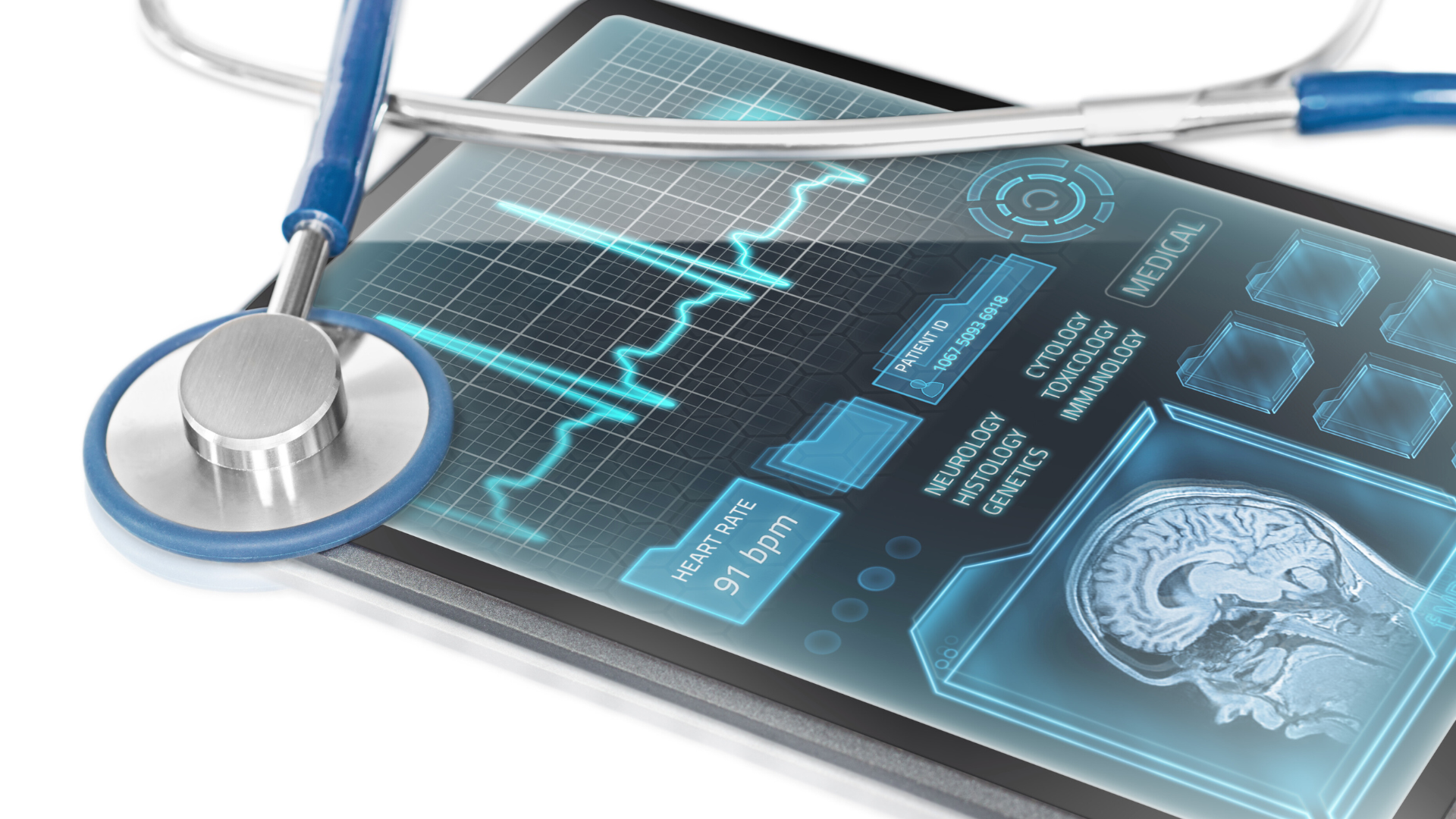
The healthcare industry is undergoing a remarkable transformation, driven by advancements in technology. Innovations such as telemedicine, electronic health records, and artificial intelligence are not just enhancing patient care; they are redefining how services are delivered and managed. Technology is reshaping the healthcare landscape by improving accessibility, streamlining operations, and enabling personalized treatment.
As digital transformation takes hold, healthcare providers are leveraging technology to meet the evolving needs of patients. From remote consultations to wearable health devices, these advancements are providing invaluable data that empower patients and professionals alike. With improved communication and information sharing, the medical community is better equipped to deliver timely and effective care.
The integration of healthcare technology also enhances operational efficiency, allowing providers to allocate resources more effectively. By automating administrative tasks and utilizing analytics, healthcare organizations can focus on what truly matters: patient health and well-being. These developments signal a new era in healthcare, one that prioritizes innovation and better outcomes for all.
Healthcare Digital Transformation
Digital transformation is fundamentally changing healthcare delivery by enhancing data usability and expanding access to care. Two significant elements of this transformation are the integration of real-time data and the rise of telehealth and telemedicine platforms.
Role of Real-Time Data and Operational Data
Real-time data plays a crucial role in modern healthcare settings. It enables healthcare providers to access up-to-the-minute information about patient conditions, treatment progress, and hospital operations.
Key Benefits:
- Improved Patient Outcomes: Continuous monitoring through digital tools allows for timely interventions.
- Enhanced Decision-Making: Clinicians can make informed choices quickly, reducing errors and improving care quality.
Operational data enhances administrative efficiency by streamlining processes like scheduling and resource allocation. This integration leads to reduced costs and improved workflow, ultimately benefiting both patients and providers.
Influence of Telehealth and Telemedicine
Telehealth and telemedicine have transformed traditional healthcare delivery models. These technologies enable remote consultations and continuous care, reducing the need for in-person visits. Meanwhile, for clinics looking to enhance patient access and streamline virtual visits, using telehealth software in Australia can offer a reliable and efficient solution by facilitating secure consultations, reducing wait times, and keeping care continuous.
Key Features:
- Accessibility: Patients in rural or underserved areas can access specialists without traveling long distances.
- Remote Patient Monitoring: Wearable devices collect critical health data, allowing for timely interventions and follow-ups.
The convenience of telemedicine supports chronic disease management, as patients can receive regular check-ups from home. This shift not only enhances patient engagement but also optimizes resource use within healthcare systems.
Artificial Intelligence in Healthcare
Artificial intelligence (AI) is transforming the healthcare sector through advancements in machine learning and predictive analytics. These technologies are enhancing patient care, improving diagnosis accuracy, and streamlining workflows across various healthcare systems.
Machine Learning Applications
Machine learning plays a critical role in identifying patterns in large datasets. It enables healthcare providers to analyze a patient’s medical history, genetics, and lifestyle factors to tailor personalized treatment plans.
Examples include:
- Image Analysis: AI algorithms can analyze medical images to detect anomalies such as tumors more accurately than traditional methods.
- Natural Language Processing: AI systems utilize NLP to interpret unstructured data from clinical notes, improving documentation and patient information retrieval.
These applications contribute to more efficient processes and better outcomes for patients.
AI-Driven Predictive Analytics
AI-driven predictive analytics utilize historical data to forecast future health trends. This approach allows healthcare providers to anticipate patient needs and resources effectively.
Key benefits include:
- Risk Assessment: Organizations can identify patients at risk of chronic conditions through predictive models based on various data points.
- Resource Optimization: Predictive analytics helps in managing the allocation of staff and medical resources, leading to reduced wait times and enhanced service delivery.
By leveraging AI in predictive analytics, healthcare systems can operate more proactively, aiming to improve patient health outcomes.
Improving Quality and Efficiency
Technological innovation plays a critical role in enhancing the quality of care and optimizing healthcare delivery. By adopting advanced tools and methodologies, healthcare systems can significantly improve patient outcomes and streamline operations.
Enhancing Patient Outcomes
Technology-driven methods are transforming how healthcare providers approach treatment plans. Electronic Health Records (EHRs) allow for real-time data sharing, ensuring that all providers involved have access to accurate patient information. This leads to tailored treatments and proactive decision-making.
Telemedicine provides patients with easy access to specialists, eliminating geographical barriers. Consequently, patients can receive timely care, which improves health outcomes. Remote monitoring devices enable continuous tracking of chronic conditions, allowing for immediate intervention when necessary, thus reducing hospital admissions. This is helpful to alert professionals when a patient is in need of face to face care so that a home care nurse melbourne,for example, can attend and provide treatment efficiently.
Optimizing Healthcare Delivery
Healthcare delivery systems benefit from various technological implementations aimed at efficiency. Automation in administrative tasks, such as scheduling and billing, reduces wait times and human error. This allows healthcare providers to focus more on patient care and less on paperwork.
Artificial Intelligence (AI) can optimize resource allocation by predicting patient inflow and adjusting staffing levels accordingly. Additionally, data analytics helps identify trends in patient care, which can guide improvements in service offerings. By enhancing workflow efficiency, healthcare facilities can provide higher quality services while minimizing costs.
Challenges and Considerations
The integration of technology in healthcare presents several challenges. Key areas include the alignment of technological advances with nursing practices and the need to ensure positive patient experiences during this transition.
Ensuring Positive Patient Experience
Patient experience is central to healthcare success, and technology must enhance, not hinder, this aspect.
- Accessibility: Technologies should be user-friendly. Complicated interfaces may alienate some patients, particularly the elderly.
- Communication Tools: Implementing telehealth services improves accessibility but requires reliable internet connections and devices. Patients should not face barriers to remote consultations.
- Feedback Mechanisms: Collecting and responding to patient feedback is vital. This ensures that technological tools meet patient needs effectively.
By addressing these challenges, healthcare systems can optimize technology, improving both nursing practices and patient experiences. However, it is also noteworthy that focusing on patient experience requires care that’s not only efficient but also compassionate and responsive to individual needs. By implementing clear protocols, proper staff training, and regular monitoring, healthcare facilities can create a safer environment and reduce incidents that negatively impact patients. In cases where patients or families face neglect or harm, consulting an Alabama attorney for nursing home abuse can provide guidance on legal options and help ensure accountability.
Integrating Technology with Nursing
As healthcare systems adopt new technologies, integration with nursing practice becomes paramount. Nurses are often at the frontline of patient care and must adapt to new tools and systems.
- Training: Continuous education and training programs are essential to ensure that nurses are proficient with emerging technologies. Lack of training can lead to frustration and reduced efficiency.
- Workflow Changes: Technology can alter established workflows. It is crucial to assess how these changes impact nurses’ daily activities.
- Workload Management: Balancing technology demands with patient care responsibilities can strain nurses. Health organizations must address workload distribution to prevent burnout.