
Attending a trade show can be both exciting and overwhelming for anyone new to the experience. Understanding the key aspects of preparation and engagement can significantly enhance the value derived from attending these events. From networking opportunities to product showcases, trade shows offer a unique chance to connect with industry leaders and explore the latest trends.
It’s essential to approach a trade show with a clear strategy. Creating a list of objectives, whether it’s to gather information, meet potential clients, or learn about competitors, will help focus efforts during the event. Knowing what to expect can reduce anxiety and increase the effectiveness of the experience.
Participants should also be prepared to engage proactively. This includes having business cards ready, researching exhibitors in advance, and planning which sessions or workshops to attend. By taking these steps, newcomers can ensure they make the most of their trade show visit and leave with valuable insights and connections.
Understanding Trade Shows
Trade shows are significant events in various industries, offering opportunities for businesses to showcase their products, network, and gather market insights. They can vary in size, scope, and purpose, catering to diverse professional needs.
Definition of a Trade Show
A trade show is an organized exhibition where companies display their products and services to potential clients, partners, and the public. Typically held in large venues, these events create a marketplace environment for businesses to engage with one another and their target audience.
Trade shows often feature booths or stalls where participants can present new offerings, conduct demonstrations, and share information. Exhibitors usually represent specific industries and may include manufacturers, suppliers, and service providers.
The primary goal is to foster business connections, implement marketing strategies, and promote brand visibility.
Objectives and Benefits
The objectives of attending a trade show encompass multiple dimensions. Companies aim to increase brand awareness, generate leads, and build relationships with clients and other industry stakeholders.
Benefits include:
- Networking: Establishing connections with industry peers, suppliers, and potential customers.
- Market Research: Gaining insights into industry trends and competitor offerings.
- Lead Generation: Attracting potential buyers who visit the booth or engage during the event.
- Product Launches: Introducing new offerings directly to a targeted audience.
Overall, participating in trade shows can lead to increased sales, strategic partnerships, and expanded market reach.
Types and Industries
Trade shows can vary widely in type and targeted industry. Some common types include:
- Consumer Trade Shows: Open to the public, showcasing products directly to end-users.
- B2B Trade Shows: Focused on businesses interacting with other businesses, emphasizing professional connections.
- Industry-Specific Shows: Catering to particular sectors such as technology, healthcare, or fashion.
Different industries hold their own trade shows tailored to specific needs and audiences. For instance, the technology sector often showcases innovations at events like CES, while the automotive industry has major gatherings like the Detroit Auto Show. Each type serves unique purposes, attracting relevant attendees and promoting industry-specific networking.
Pre-Trade Show Preparation
Effective preparation is crucial for a successful trade show experience. This involves setting clear goals, selecting the most suitable event, managing finances, designing a compelling booth, creating marketing materials, and planning networking strategies.
Setting Your Goals
Defining specific goals helps to focus efforts at the trade show. Companies should establish measurable objectives, such as generating leads, increasing brand awareness, or launching new products. Aiming for clear performance metrics allows for tracking success.
For instance, a company might set a goal to collect 200 leads and schedule 10 follow-up meetings. Goals should be realistic and time-bound, allowing for assessment and adjustments throughout the event.
Selecting the Right Event
Choosing the appropriate trade show is essential for maximizing impact. Researching industry-relevant events provides insight into audience demographics and potential reach. Factors to consider include the location, expected attendance, and the reputation of the show.
Attendees should compare various events, reviewing past attendee lists and speaker line-ups. This helps in determining if the audience aligns with their target market. Participating in the right trade show enhances visibility and connections.
Budgeting and Financial Planning
A well-prepared budget can determine the overall success of participation. Costs include booth fees, travel expenses, promotional materials, and shipping. Creating a detailed budget allows for thorough financial planning.
It’s beneficial to allocate funds for unexpected costs as well. Using a spreadsheet to outline all potential expenses helps ensure transparency and accountability throughout the planning process.
Designing an Effective Booth
The booth design is a critical component that can attract visitors. A well-designed booth should reflect the brand and engage attendees effectively. Key elements include layout, graphics, and interactive components.
Incorporating bright visuals and clear messaging draws attention. Additionally, having friendly staff available encourages discussions with potential clients. A comfortable space allows for meaningful conversations and connections.
Marketing Materials and Promotional Items
High-quality marketing materials and promotional items reinforce brand identity. Essential marketing materials include brochures, business cards, and giveaways. Each item should effectively communicate the company’s message and value proposition.
Likewise, consider unique items like Promotional Drink Bottles, T-shirts, pens, eco-friendly bags or tech gadgets that resonate with the target audience. These can help leave a lasting impression and become conversation starters.
Pre-Show Marketing and Networking
Proactive marketing strategies can boost visibility before the show starts. Utilizing social media, email campaigns, and press releases helps generate buzz about participation. Connecting with potential attendees can lead to scheduled meetings and stronger engagement.
Networking with industry professionals beforehand also enhances relationships. Joining relevant online forums or engaging in industry groups fosters connections. Lay the groundwork for fruitful discussions during the event itself.
At the Trade Show
Navigating a trade show successfully requires effective setup, engagement, and strategic networking. Various techniques can enhance visibility, foster relationships, and drive sales, creating valuable connections and opportunities.
Setting Up Your Space
Creating an inviting trade show booth is crucial. The layout should be open and accessible to encourage foot traffic. Effective signage is necessary; it must clearly convey the brand message and offerings.
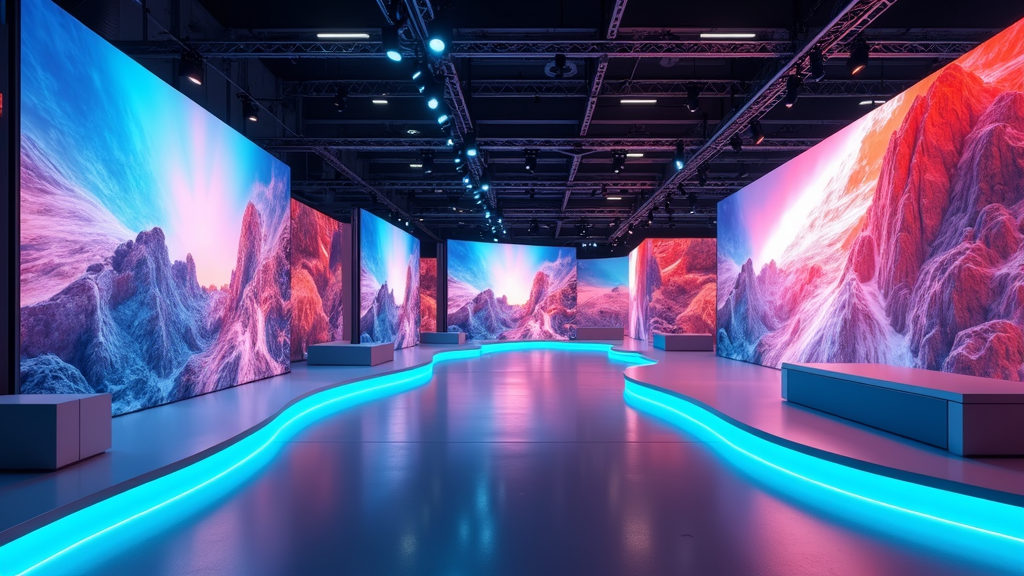
Incorporate eye-catching displays and product demonstrations. Utilize lighting strategically to highlight key elements. Consider comfortable seating to encourage lengthy conversations. Having promotional materials readily available can provide attendees with essential information.
Planning for technology use, such as interactive screens or tablets, can further engage visitors and create a memorable experience. To bring all these elements together seamlessly, many businesses turn to experts in Custom Trade Show Exhibits who specialize in designing and fabricating tailored booths that maximize impact and visitor engagement. Thoughtful and professional design is essential for making a strong first impression.
Engaging with Attendees
Engagement starts before the event. Pre-show outreach can attract attendees to the booth. During the show, staff members should actively greet visitors, employing a friendly and approachable demeanor. It can even be beneficial to give out business cards (sourced from any of the reputable local printing services) during conversations, since they can effectively provide a tangible reminder of the brand and be an easy way for prospects to follow up after the event.
It’s important to ask open-ended questions to learn about attendees’ needs. Tailor conversations to address specific interests and challenges. Demonstrating products or services in action can capture attention effectively.
Offering interactive experiences can enhance engagement. Consider live demonstrations, workshops, or contests. Such activities encourage visitors to participate, making the booth more memorable.
Networking Strategies
Networking is a key component of trade shows. Attendees should approach booths and engage with representatives actively. Exchange business cards immediately to facilitate future follow-ups.
Utilizing social media can expand networking efforts. Posting updates about your booth, product launches, or activities can draw visitors. Use event hashtags to connect with other attendees.
Participate in workshops or seminars held during the show. This presents opportunities to meet industry professionals. Building a rapport can lead to future collaborations and partnerships.
Gathering Leads and Contact Information
Capturing leads requires organized methods. Using digital forms can simplify this process; tablets at the booth allow for quick data entry. Offering a giveaway or contest can incentivize attendees to share their information.
Ensure that staff members are trained to ask for contact details confidently. Following up after the event is vital for nurturing these leads. Use CRM tools to manage potential client information effectively.
Make sure to respect privacy regulations and assure attendees their information is safe. A trusting relationship can pave the way for future business opportunities.
Sales Tactics and Techniques
Effective sales tactics can significantly influence outcomes at trade shows. It’s essential for staff to understand the product and articulate its benefits to potential customers. Tailored pitches that resonate with attendees’ needs tend to be more persuasive.
Promotions or exclusive trade show offers can entice visitors to make immediate purchases. Clear pricing and packages can facilitate decision-making.
Establishing rapport with attendees is vital. Building trust through conversation can lead to lasting relationships. Active listening is crucial; understanding customer pain points can guide tailored solutions for their needs.
Post-Trade Show Strategies
After attending a trade show, implementing effective strategies is essential for maximizing the benefits gained. This involves adhering to lead follow-up procedures, analyzing performance metrics, and driving post-show marketing efforts.
Lead Follow-Up Procedures
Timely follow-up is critical for converting leads gathered during the trade show. A systematic approach includes organizing collected business cards and contact information.
- Segmenting Leads: Categorize leads into groups such as hot prospects, warm leads, and cold contacts. This helps prioritize whom to reach out to first.
- Personalized Outreach: Tailor communications to specific interests discussed at the show. Mentioning a particular conversation can help jog the lead’s memory.
- Follow-Up Channels: Utilize various channels for follow-up-email, phone calls, and social media messages. A diverse approach increases the chances of engagement.
- Timeliness: Aim to reach out within 48 hours post-show while the experience is still fresh in attendees’ minds.
Analyzing Trade Show Performance
Assessing the effectiveness of a trade show participation is vital for future planning. Focus on collecting and analyzing key performance indicators (KPIs).
- Lead Quantity and Quality: Track the number of leads generated and their potential value based on segmentation.
- Engagement Metrics: Evaluate interactions at your booth, including demonstrations, material distribution, or contests. This can highlight what attracted the attendee’s interest.
- Return on Investment (ROI): Consider the costs associated with the trade show against the leads generated. This aids in determining financial success.
- Feedback Collection: Gather insights from team members on what strategies worked well and what could be improved for next time.
Post-Show Marketing
Implementing marketing efforts after a trade show can maintain momentum and enhance visibility. Focus on strategic initiatives that leverage connections made during the event.
- Email Campaigns: Design follow-up campaigns targeting different segments of leads. Include valuable content, such as resources related to the tradeshow discussions.
- Content Creation: Develop blog posts or articles that highlight key takeaways from the show. This positions the company as a knowledgeable participant.
- Social Media Engagement: Share photos, insights, and experiences from the trade show on social media platforms. Tagging attendees or other exhibitors increases reach.
- Webinars and Events: Organize webinars that dive deeper into topics discussed at the trade show. This keeps the audience engaged and enhances learning.
Logistics and Operations
Effective logistics and operations are crucial for a successful trade show experience. This includes careful planning of travel, accommodation, shipping materials, and securing on-site services.
Travel and Accommodation
When planning travel, it’s essential to book flights and accommodations well in advance. This ensures better rates and availability.
Factors to consider include:
- Proximity to the venue: Choose hotels that minimize commute time.
- Group bookings: If traveling with a team, inquire about group rates.
- Accessibility: Consider hotels with necessary amenities for all attendees.
It’s also advisable to confirm transportation options, whether it’s renting cars, scheduling shuttles, or using ride-sharing services. This preparation minimizes stress as the event date approaches.
Shipping and Handling of Materials
Shipping materials to a trade show venue involves detailed planning. Many venues have specific guidelines regarding when and how materials can be shipped.
Key steps include:
- Determine shipping methods: Decide between freight or courier services based on budget and urgency.
- Labeling: Clearly label all packages with booth numbers and contact information.
- Insurance: Consider insuring valuable items during transit.
Make sure to account for the time it takes to receive materials on-site. Arranging for unloading assistance from the venue can also facilitate a smoother setup process.
On-Site Services and Support
Securing on-site services is necessary for a seamless trade show experience. This can include utilities such as electricity, internet access, and audiovisual equipment.
Essential considerations encompass:
- Technical support: Ensure there is reliable tech support available during the event for any equipment issues.
- Furniture rental: Determine what furniture will be needed, including tables, chairs, and display units.
- Security services: Depending on the value of displayed items, consider hiring security personnel.
Coordination with venue management can enhance the setup process and facilitate quick assistance when needed.
Legal and Regulatory Considerations
Attending a trade show involves navigating various legal and regulatory issues. Critical areas include contracts, intellectual property, and health and safety regulations that must be understood and adhered to.
Contracts and Agreements
Trade shows often require participants to enter contracts with event organizers and vendors. These contracts can cover booth space, services, and other accommodations.
Key elements to review include:
- Terms and Conditions: Understand cancellation policies, payment terms, and responsibilities.
- Liability Clauses: Assess who is responsible for damages or injuries during the event.
- Confidentiality Agreements: Often necessary when sharing sensitive information with partners or vendors.
Ensure that any contract is unambiguous to prevent misunderstandings.
Intellectual Property Concerns
Intellectual property (IP) is vital for protecting unique products and branding. Attendees should consider registering trademarks and copyrights before the event.
Consider the following:
- Trademark Protection: Ensure logos and brand names are trademarked to prevent unauthorized use.
- Copyright: Protect original works displayed at the show, such as marketing materials or product designs.
- IP Enforcement: Be prepared to address potential infringements observed at the event.
Taking proactive steps can safeguard a business’s innovations and identity.
Health and Safety Regulations
Health and safety regulations are essential for trade shows, especially in large venues. Organizations need to comply with local laws to ensure the safety of all attendees.
Important points include:
- Permits: Verify that necessary permits for exhibits and demonstrations are secured.
- Safety Protocols: Implement measures for crowd control and emergency preparedness.
- Insurance: Obtain appropriate liability insurance to cover unexpected incidents.
Understanding and adhering to these regulations can prevent legal issues and enhance the overall experience for everyone involved.
Professional Development
Attending a trade show can significantly contribute to professional growth. Individuals can enhance their skills and gain insights from industry leaders, which can be invaluable for career advancement.
Skills Enhancement
Trade shows offer numerous workshops and presentations aimed at specific skill sets. Attendees can participate in sessions covering topics like sales techniques, marketing strategies, or technology trends.
Key Skills to Look For:
- Networking: Building relationships with peers and potential clients.
- Sales Strategies: Learning effective approaches to selling products.
- Product Knowledge: Understanding industry offerings to improve communication with customers.
Attendees can take advantage of hands-on sessions and interactive discussions. Engaging with these learning opportunities will allow for immediate application in their roles. This experience can create a solid foundation for future career advancements.
Learning from Industry Experts
Meeting and interacting with industry leaders is a key benefit of trade shows. These experts often share their experiences, strategies, and insights relevant to current market challenges.
Benefits of Expert Interaction:
- Real-World Insights: Gain firsthand knowledge of industry trends and best practices.
- Networking Opportunities: Build connections with influential professionals in the field.
Participants can prepare by researching speakers in advance. Engaging in conversations and asking questions can lead to meaningful dialogues. This exposure not only informs but also inspires attendees, encouraging them to implement new ideas in their professional practices.
Technology at Trade Shows
Technology plays a crucial role in enhancing attendee experiences and improving engagement at trade shows. Various tools and trends are shaping how exhibitors connect with potential customers and how they showcase their products.
Digital Engagement Tools
Digital engagement tools are vital for creating interactive and memorable experiences at trade shows. They can significantly enhance the way attendees interact with brands.
Examples of tools include:
- Event Apps: Customizable applications provide schedules, maps, and networking opportunities.
- Lead Retrieval Systems: These devices capture attendee information easily, allowing for efficient follow-ups.
- Virtual Reality (VR): Offers immersive experiences, making product demonstrations more engaging.
- Interactive Kiosks: These allow attendees to access information or enter contests, capturing interest quickly.
Using these tools, exhibitors can gather data, facilitate interactions, and create an unforgettable experience for their audience.
Trends in Trade Show Technology
Current trends in trade show technology highlight innovation and increased connectivity. Smart technologies are becoming essential components.
Key trends include:
- Augmented Reality (AR): Adds layers of digital content to the physical space, enhancing product displays.
- Artificial Intelligence (AI): Personalizes experiences through chatbots and data analysis.
- Contactless Solutions: QR codes and RFID technology allow for seamless check-ins and transactions.
- Hybrid Events: Combining in-person and virtual components makes trade shows accessible to wider audiences.
These trends enable exhibitors to adapt to changing preferences and maximize engagement in a digital-first world. They reflect the continuing evolution of how businesses connect with their customers.