
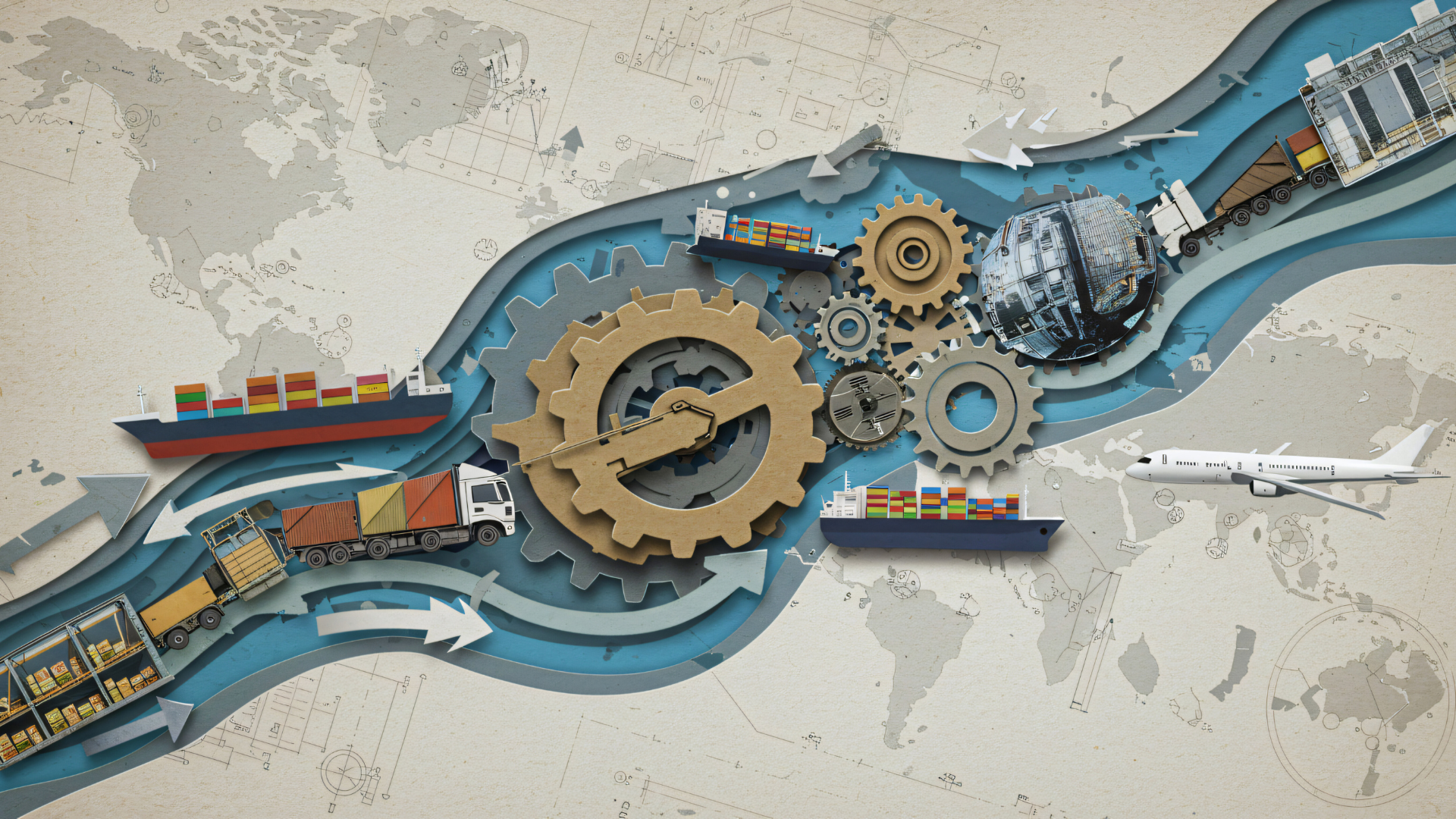
Global trade policies shape the framework within which logistics strategies operate. They influence costs, routes, and delivery times by setting tariffs, trade agreements, and regulatory requirements. Effective logistics must adapt to these policies to maintain efficiency and reduce risks.
Changes in trade policies often require companies to re-evaluate their supply chains. Adjustments may include shifting production locations, selecting new transport modes, or altering inventory management. Understanding the direct link between policy decisions and logistics responses is crucial for businesses competing in international markets.
As global trade evolves, logistics strategies become more complex yet more vital. Organizations that anticipate policy impacts can better navigate challenges and capitalize on emerging opportunities. This dynamic drives ongoing innovation and strategic planning in the logistics sector.
How Global Trade Policies Shape Logistics Strategies
Global trade policies influence logistics by defining operational rules, costs, and access points. These policies impact transportation choices, warehousing, and inventory management, pushing companies to adapt strategies based on tariffs, trade agreements, and regulatory environments.
Mechanisms of Trade Policies in Logistics
Trade policies operate through mechanisms like tariffs, quotas, and customs regulations that directly affect the cost and flow of goods. For instance, increased tariffs on imports raise transportation expenses and may force logistics providers to seek alternative routes or consolidate shipments.
Compliance with customs documentation and standards is essential to avoid delays. Automated customs systems introduced through trade agreements streamline clearance, reducing lead times. Furthermore, subsidies or incentives under specific trade policies can encourage businesses to locate logistics hubs in favorable regions.
Direct Effects on Supply Chain Structures
Trade policies reshape supply chains by influencing sourcing and distribution networks. Tariffs on raw materials may prompt companies to source locally or shift suppliers to reduce costs.
Logistics strategies often include cross-docking, nearshoring, or multi-modal transport to respond to policy shifts. Companies restructure inventory storage to mitigate risks associated with unpredictable trade barriers, balancing just-in-time approaches with stockpiling when policies create uncertainty.
This reconfiguration can alter the geographic spread of warehouses and influence partnerships with regional carriers to optimize compliance and reduce transit times.
Market Access and Trade Barriers
Trade agreements expand market access by reducing or eliminating tariffs and harmonizing standards, facilitating smoother logistics operations across borders. Conversely, trade barriers like embargoes or restrictive quotas limit routes and require alternate logistics planning.
Barriers increase operational complexity and expenses by lengthening delivery times and requiring additional customs procedures. Companies must evaluate which markets remain feasible given the trade policy landscape and adjust logistics strategies accordingly to maintain competitive distribution networks.
Understanding these elements helps businesses navigate regulatory environments and maintain efficient global supply chains under varying trade conditions.
Major Policy Instruments and Their Logistics Implications
Global trade policies shape logistics strategies by influencing costs, compliance requirements, market accessibility, and risk management. Key instruments such as tariffs, customs regulations, trade agreements, and geopolitical tensions each impose specific challenges and adjustments in supply chains.
Tariffs and Duties: Adjusting Sourcing and Shipping
Tariffs and duties directly increase the cost of imported goods, leading companies to reconsider their sourcing countries and shipping routes. For example, when trade tariffs rise, firms may shift procurement to lower-tariff regions or focus on domestic suppliers to reduce expenses.
Logistics teams must factor in tariff schedules and classifications to optimize costs. Higher tariffs often push companies to consolidate shipments or use bonded warehouses to defer duties. Adjusting Incoterms in contracts can also shift tariff liabilities between buyers and sellers, impacting international transportation choices.
Customs Regulations and Documentation Compliance
Customs regulations require strict adherence to documentation and procedural rules. Non-compliance leads to customs delays, fines, or cargo seizures, which disrupt supply chains and increase costs. Goods must be declared accurately with precise tariff codes, certificates, and licenses.
Automation in customs processes is increasingly important to ensure timely clearance. Systems that validate documents before shipment can prevent slowdowns. Training logistics personnel on regulatory updates and cross-border requirements reduces the risk of penalties and ensures smoother international trade flows.
Trade Agreements and Changing Market Access
International trade agreements define preferential treatment, tariff reductions, and new market opportunities. Agreements like USMCA and NAFTA eliminate or reduce tariffs across member countries, reshaping sourcing strategies and cross-border logistics.
Logistics operations must align with origin rules to qualify for tariff benefits. Documentation verifying compliance with trade agreements is essential. Companies often redesign supply chains to exploit new access, focusing on regional hubs or manufacturing locations within agreement zones.
Geopolitical Risks and Trade Tensions
Geopolitical risks and trade tensions create sudden changes in trade policies, such as the imposition of new tariffs or export restrictions. These fluctuations impact logistics planning, requiring contingency strategies to mitigate disruptions.
Logistics teams must monitor global political developments to anticipate changes. Diversifying suppliers and transport routes reduces reliance on high-risk regions. Strategic stockpiling and agile transport networks help navigate unpredictable regulatory shifts linked to trade conflicts.
Strategic Adaptations in Logistics and Supply Chains
Businesses adjust their logistics operations to handle evolving trade policies by changing how they source materials, introducing new technologies, and responding to environmental rules. These shifts aim to maintain efficiency and reduce risks within complex global supply chains.
Diversifying Supply Chains and Sourcing Strategies
Companies increasingly diversify their supply chains to avoid disruptions caused by tariffs, trade restrictions, or geopolitical tensions. Nearshoring—relocating production closer to end markets—has become a common strategy to reduce transit times and tariffs.
Multiple sourcing strategies are adopted, often including a mix of local, regional, and international suppliers. This approach balances cost, reliability, and flexibility. Logistics networks also adapt by adding warehousing capacity in strategic locations to support these diversified supply chains, improving inventory agility.
Innovation, Automation, and Technology Adoption
Logistics operations heavily invest in automation and AI to optimize supply chain visibility and decision-making. Technologies like real-time tracking and blockchain improve transparency and reduce delays. Automation in warehousing and transportation enhances speed and accuracy, lowering labor costs.
AI supports predictive analytics, allowing companies to anticipate disruptions and optimize routes. These innovations help logistics networks manage complexity from global trade policies, ensuring timely deliveries despite fluctuating regulations.
Environmental Regulations and Sustainability Initiatives
Environmental regulations push logistics providers to adopt cleaner technologies and reduce carbon emissions. Electric vehicles are increasingly integrated into last-mile delivery fleets to meet emissions targets.
Companies also redesign supply chains to minimize environmental impact, including optimizing transportation routes and warehouse energy use. Sustainability initiatives often align with regulatory compliance, enhancing brand reputation while controlling costs. Tracking carbon footprints across global supply chains becomes standard practice.
Operational Impacts and Evolving Industry Dynamics
Global trade policies have reshaped logistics strategies with a focus on managing risks, adjusting transportation costs, and fostering new partnerships. Businesses now adapt routes and operations to mitigate delays and cost fluctuations driven by geopolitical shifts and regulatory changes.
Disruptions, Delays, and Risk Management
Supply chain disruptions intensified by trade wars and Brexit have increased customs delays. These delays require logistics managers to develop robust contingency plans to maintain flow and avoid bottlenecks.
Companies now prioritize real-time tracking and flexible inventory strategies to buffer against unpredictable border inspections and tariff implementations. Risk management involves diversifying suppliers and transportation modes to reduce reliance on single sources or routes.
Automation and data analytics are increasingly used to anticipate disruptions, enabling quicker responses and minimizing the impact on transit times.
Shifts in Transportation Costs and Shipping Routes
Rising transportation costs result from changes in fuel prices, tariffs, and altered trade agreements. These costs compel logistics planners to reconsider traditional shipping routes.
For example, the shift away from some Asian suppliers due to tariffs has led to new sourcing in Latin America, changing the main shipping lanes and delivery timelines.
Shipping routes are also adjusted to avoid congested ports or politically unstable regions. These shifts often increase transit times but are necessary to balance cost efficiency and regulatory compliance.
Role of Logistics Providers and Industry Partnerships
Logistics providers are critical in navigating evolving trade policies by offering expertise in customs compliance and route optimization. They have become strategic partners in managing regulatory complexity.
Collaborations between carriers, freight forwarders, and technology firms are expanding to enhance data sharing and operational agility. These partnerships improve resilience, especially in volatile environments influenced by globalization and protectionist measures.
Providers increasingly focus on integrating end-to-end solutions combining transportation, warehousing, and customs brokerage to reduce delays and cost overruns.